
Talk to salesApplication support & quotations xiao@ahtyck.com +86 180 1992 6927 WhatsApp Get a Quote

TYCK OCEAN Level Measurement Series

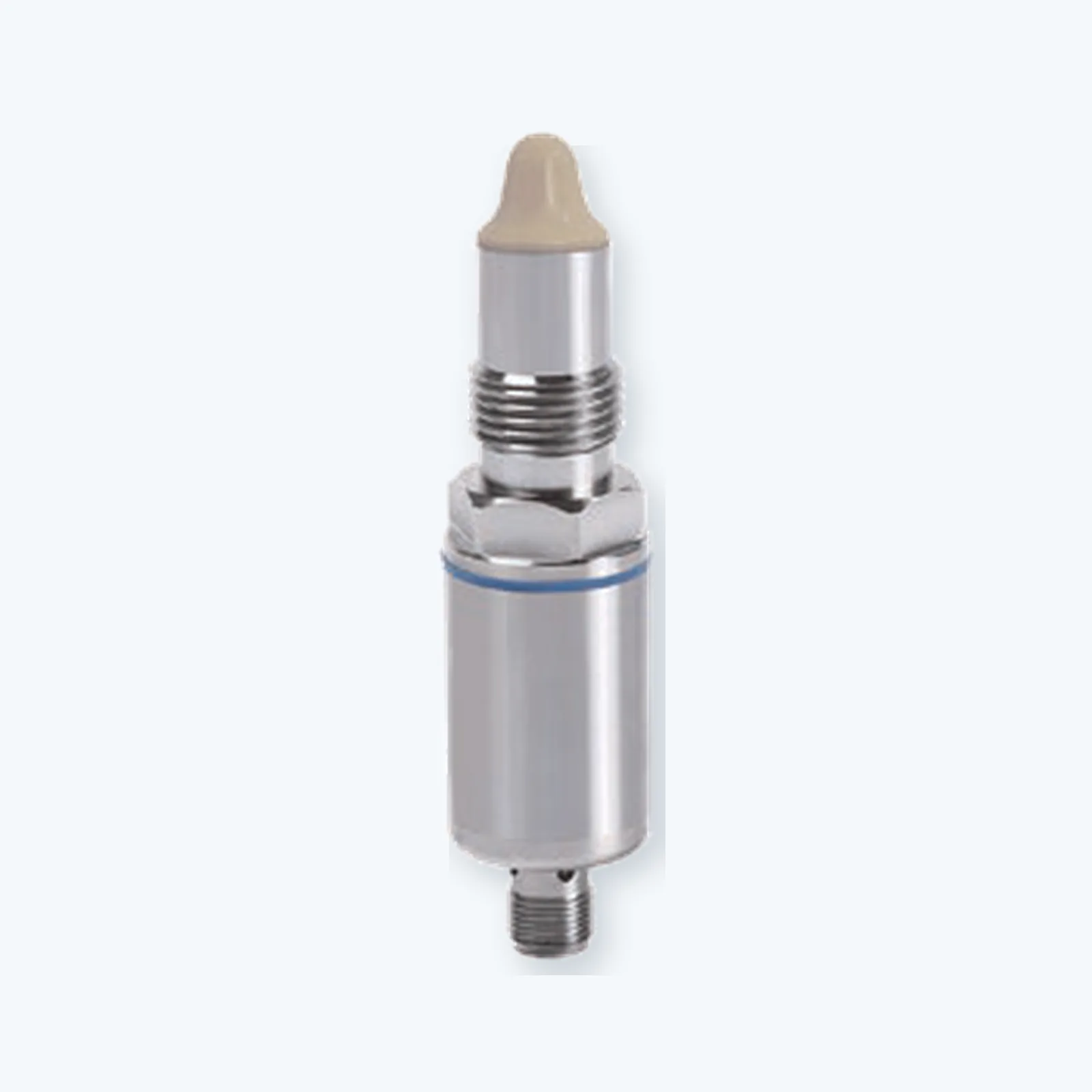
TYCK LSC210 Frequency-Shift Capacitance Level Switch

Compact point-level detection for liquid and bulk-solid applications

Level Switches

TYCK LSC210 Frequency-Shift Capacitance Level Switch

Compact point-level detection for liquid and bulk-solid applications

SKU

Model Selection

3 configurations

Select a SKU to review its name and image. Technical values are released only after engineering verifies the controlled source.

Selected Model

LSC210 Display Capacitance Level SwitchLSC210-DISPLAY
Specifications

Held for engineering verification. Submit the application conditions to receive the controlled values.

Product Overview

Product Description

The TYCK LSC210 detects a configured point level by monitoring the capacitance response around its probe. The selected probe, connection, housing and output must match the medium and mounting position.

Provide dielectric behavior, buildup, pressure, temperature and required fail-safe switching logic for technical review.

PRODUCT DATA

Technical Facts

Use these comparable fields to shortlist the product. The selected SKU, controlled datasheet and TYCK quotation confirm the ordered range, accuracy, materials, connection and output.

Engineering verification in progress

Numeric performance and configuration values are held in the internal product record until TYCK engineering verifies the source and approves this product. Send the application conditions to receive a controlled selection and quotation.

SKU Matrix

Available Models

3 configurations. Each SKU has an independent parameter set in the CMS; values are published only after technical verification.

SKU CodeModelSpecificationsUnit
LSC210-DISPLAYLSC210 Display Capacitance Level SwitchHeld for engineering verification
LSC210-COMPACTLSC210 Compact Capacitance Level SwitchHeld for engineering verification
LSC210-RELAYLSC210 Relay Capacitance Level SwitchHeld for engineering verification

APPLICATION REVIEW

Selection inputs and installation checks

These checklists identify the information still required; they do not add unverified performance claims to this product.

Selection focusLiquid, powder or granule propertiesDielectric behavior and possible buildupHigh- or low-level switching taskConnection, probe length, output and fail-safe state

Selection inputs to send

  1. Measurement taskState continuous level, interface or high/low point detection and the required measuring range.
  2. Medium behaviorIdentify liquid or bulk solid, density and dielectric or conductivity data where known, plus foam, dust, coating or agitation.
  3. Vessel and mountingProvide vessel dimensions, nozzle size and position, internals, fill and discharge points, and available mounting.
  4. Operating envelopeGive normal, minimum, maximum and upset pressure and temperature, including vapor or condensation.
  5. Electrical and project scopeConfirm power, output, communication, area classification, required documents, quantity and destination.
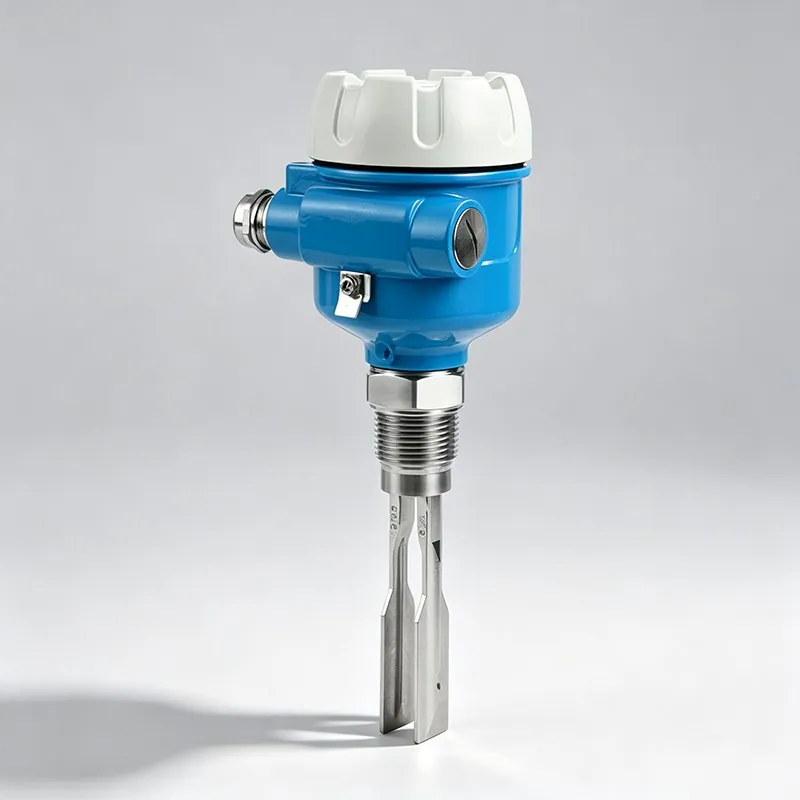
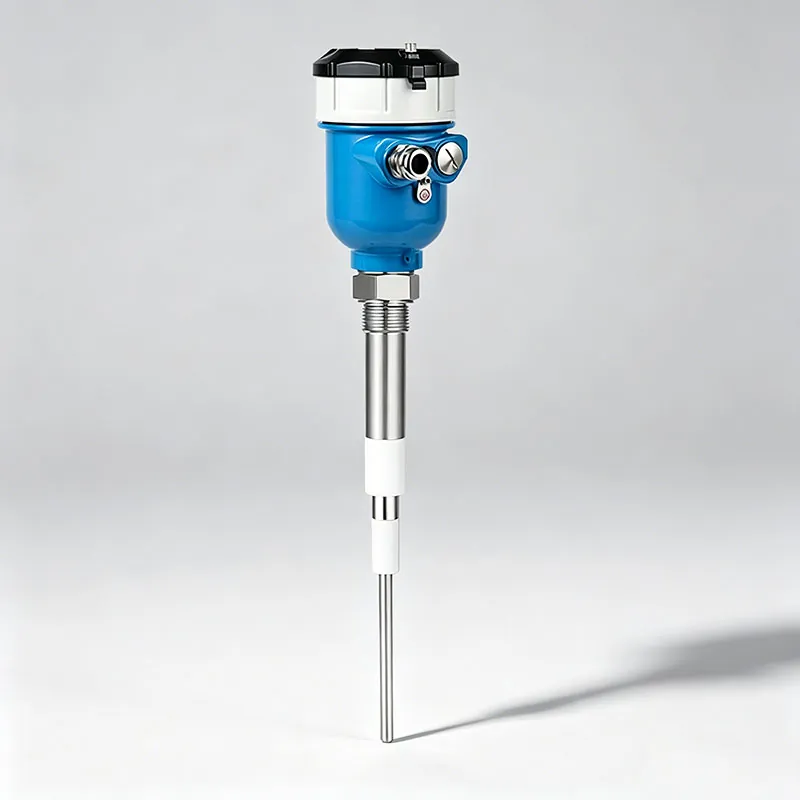
Installation review before order

  • Confirm the nozzle, sensing path and measurement reference against the vessel drawing.
  • Check that internals, filling streams, agitators and expected buildup do not conflict with the proposed mounting.
  • Verify wetted materials, seals and process connection against the actual medium and cleaning method.
  • Review enclosure location, cable route, power, grounding and output wiring.
  • Use the selected model installation manual and approved project drawing before installation or commissioning.

Confirmation boundary: final model, materials, ratings, connection and supply scope must come from the selected SKU, controlled documentation and formal quotation.

Send This Selection Brief

FAQ

Frequently Asked Questions

These answers support initial selection. Confirm final performance against the selected SKU and technical documents.

What media can LSC210 detect?

Suitability depends on dielectric behavior, conductivity, buildup, density and mounting; provide a medium description for review.

Which output should be selected?

Choose PNP, NPN or relay to match the control input and required fail-safe logic.