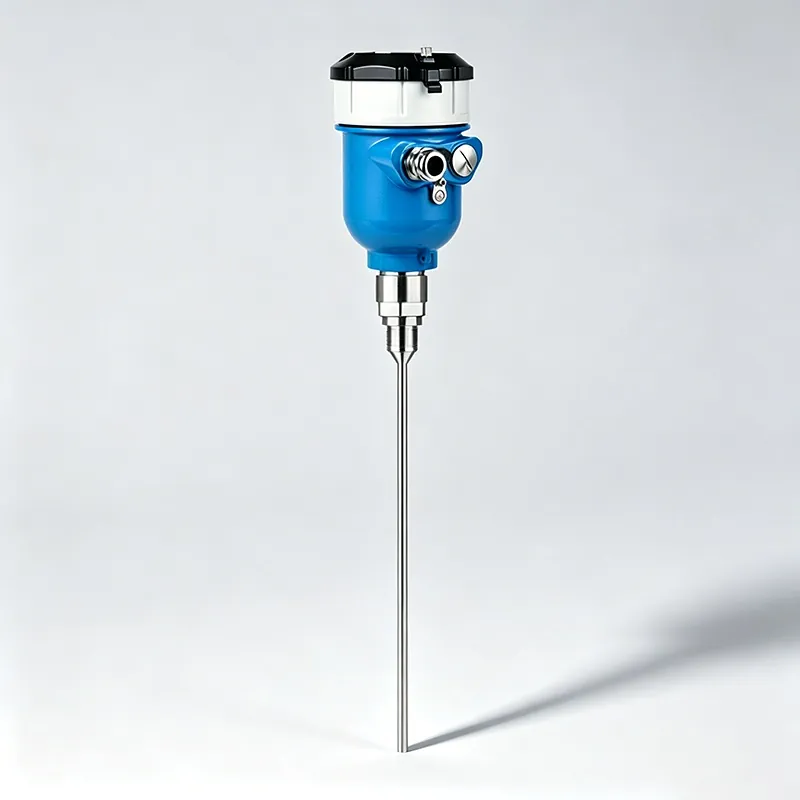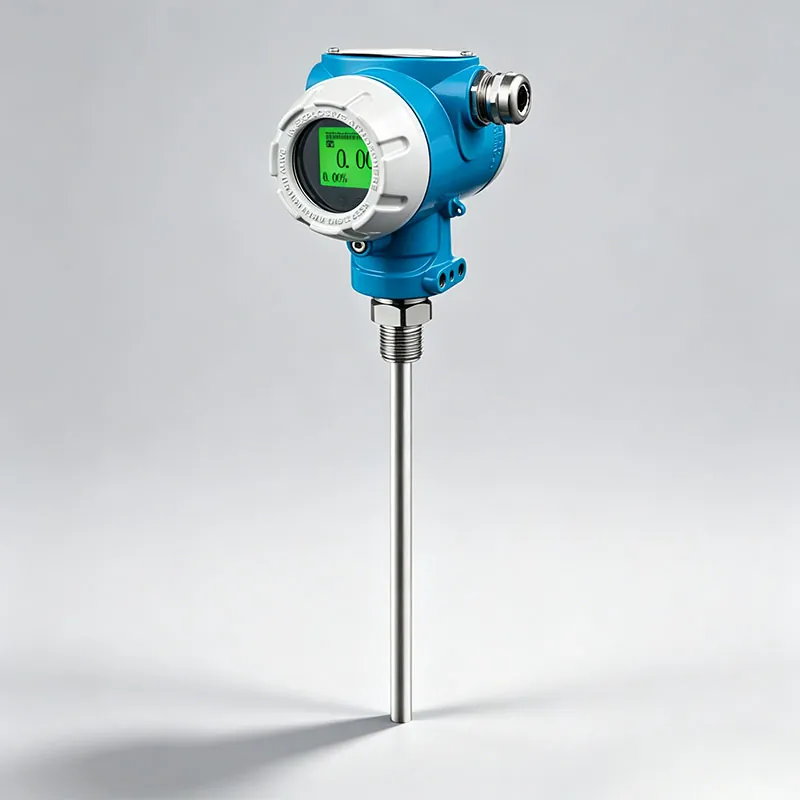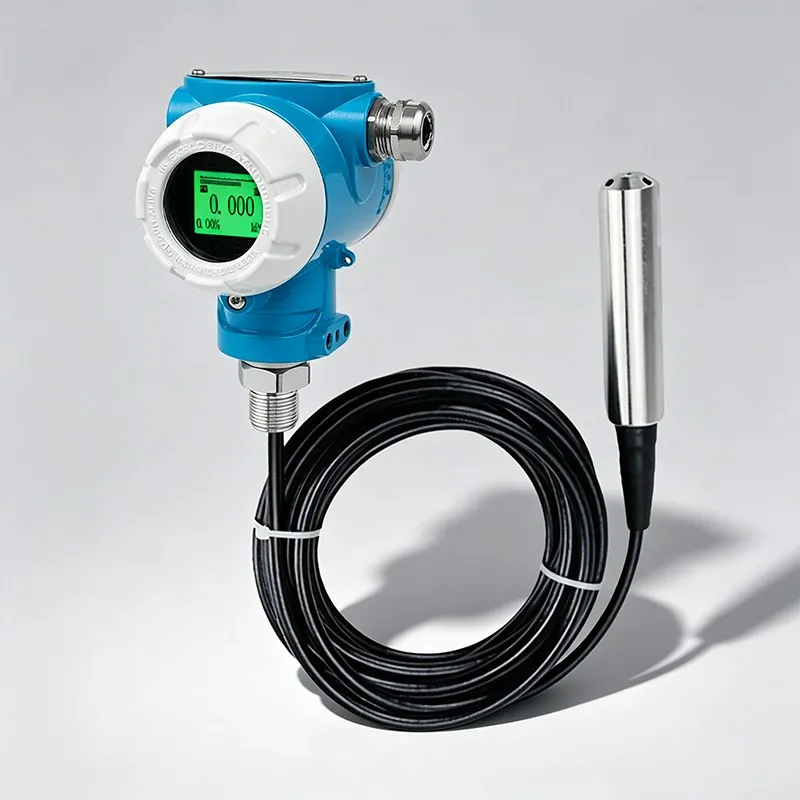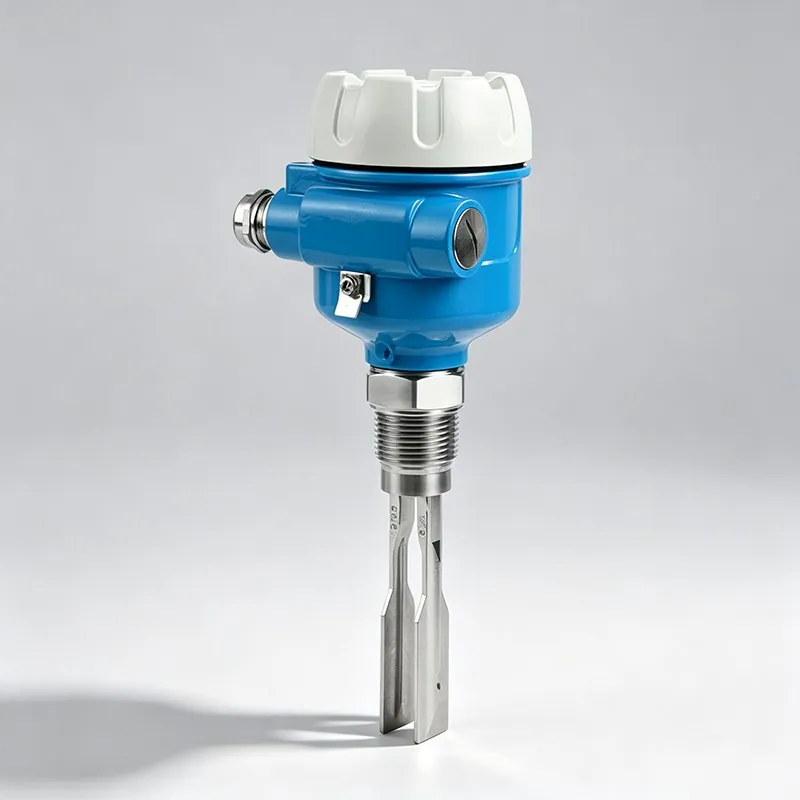
Radar Level Transmitters
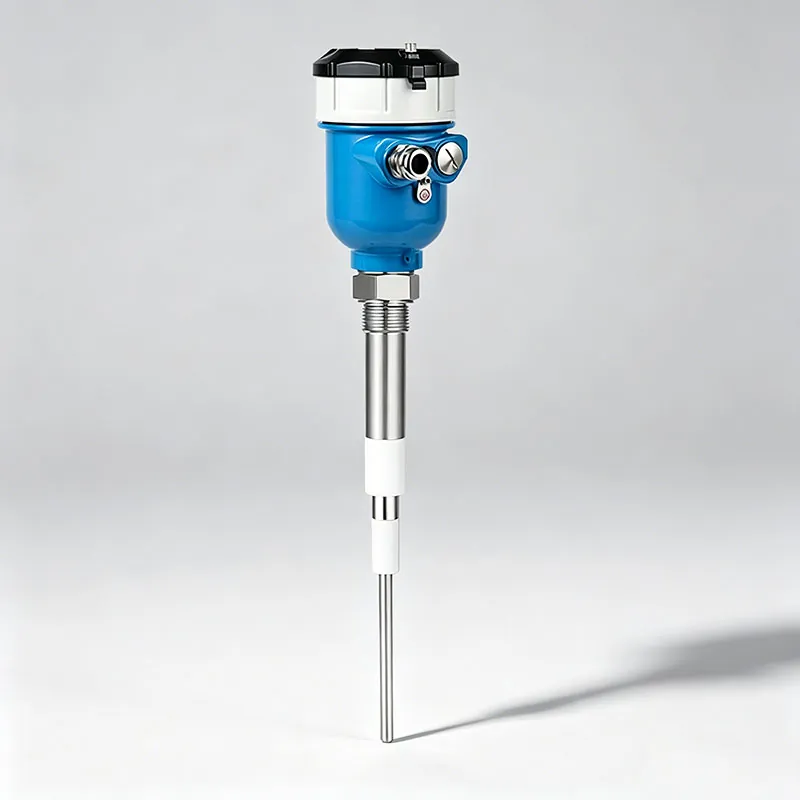
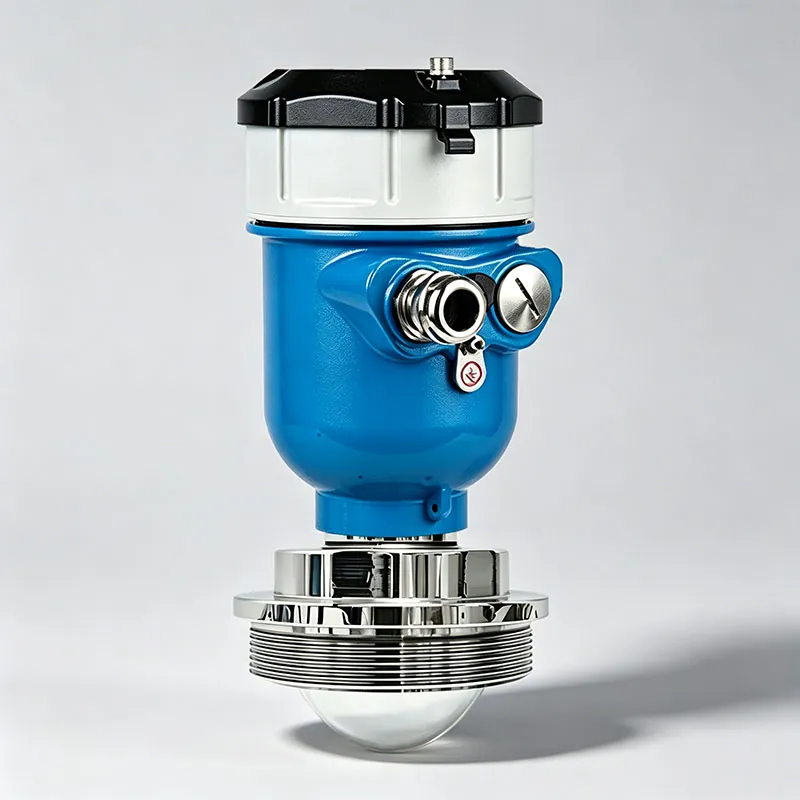
TYCK LR280 80 GHz Radar Level Transmitter
TYCK OCEAN series · Configurable industrial instrument
24 SKUs →
CORE FOCUS · LEVEL MEASUREMENT
Level measurement selection begins with the medium and vessel, then considers range, pressure, temperature, buildup, foam, dust, agitation, condensation, internal structures and mounting. The measurement principle should follow those conditions—not the other way around.
PRODUCT CATALOG
Select a measurement area or product family in the category tree. The product results stay beside the navigation so you always know where you are.
SEARCH OR FILTER
Product Catalog
Choose a product to review its current catalog information, then confirm the exact configuration in the quotation.
7 products
Radar Level Transmitters
TYCK OCEAN series · Configurable industrial instrument
Guided Wave Radar
TYCK OCEAN series · Configurable industrial instrument
Capacitance Level Transmitters
TYCK OCEAN series · Configurable industrial instrument
Hydrostatic Level Transmitters
TYCK OCEAN series · Configurable industrial instrument
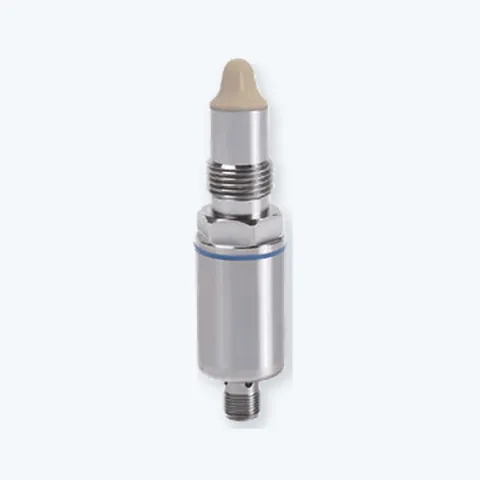
Level Switches
TYCK OCEAN series · Configurable industrial instrument
Level Switches
TYCK OCEAN series · Configurable industrial instrument
Level Switches
Compact point-level detection for liquid and bulk-solid applications
DIRECT ANSWER
Level measurement selection begins with the medium and vessel, then considers range, pressure, temperature, buildup, foam, dust, agitation, condensation, internal structures and mounting. The measurement principle should follow those conditions—not the other way around.
TECHNOLOGIES & PRODUCT CATEGORIES
Use a family page to narrow the technology. Confirm a specific model only after the application data is reviewed.
TYPICAL MEDIA
Use the medium and operating conditions to narrow the suitable measurement principle and construction.
Include dielectric behavior, conductivity, density, viscosity, corrosion and possible coating.
State particle properties, dust, material flow, buildup and silo geometry.
Describe the actual layers, vapor space, condensation and agitation instead of assuming compatibility.
APPLICATIONS
CHALLENGES
INDUSTRIES
SELECTION FACTORS
Use these steps to prepare a useful quotation request without guessing a model.
Identify liquid or solid behavior, density, dielectric properties, conductivity, viscosity and corrosiveness where known.
Provide measuring range, nozzle, geometry, internals, agitators and available mounting position.
Include pressure, temperature, vapor, dust, foam, condensation and expected buildup.
Confirm continuous or point measurement, power, output, communication and documentation needs.
FAQ
These answers match the visible selection guidance and do not replace model-specific technical review.
Start with the medium, vessel, range, pressure, temperature, buildup, foam, dust, agitation, condensation, internals and mounting. Compare technologies only after those conditions are clear.
No single principle is always best. Vessel geometry, medium behavior, process conditions, installation and required measurement task must be reviewed before a technology is selected.
Continuous measurement reports level across a range. Point level devices indicate a defined high, low or intermediate condition. Some projects require both functions.
APPLICATION-LED QUOTATION
Include the measured variable, medium, range, pressure, temperature, installation, output, quantity and destination. The quotation can then record the proposed model and supply scope.
WeChat ID +86 18019926927