When to consider this approach
- Viscous or adhesive liquid level
- Batch tanks where composition can change
- Applications where coating behavior is known and maintainable
DIRECT ANSWER
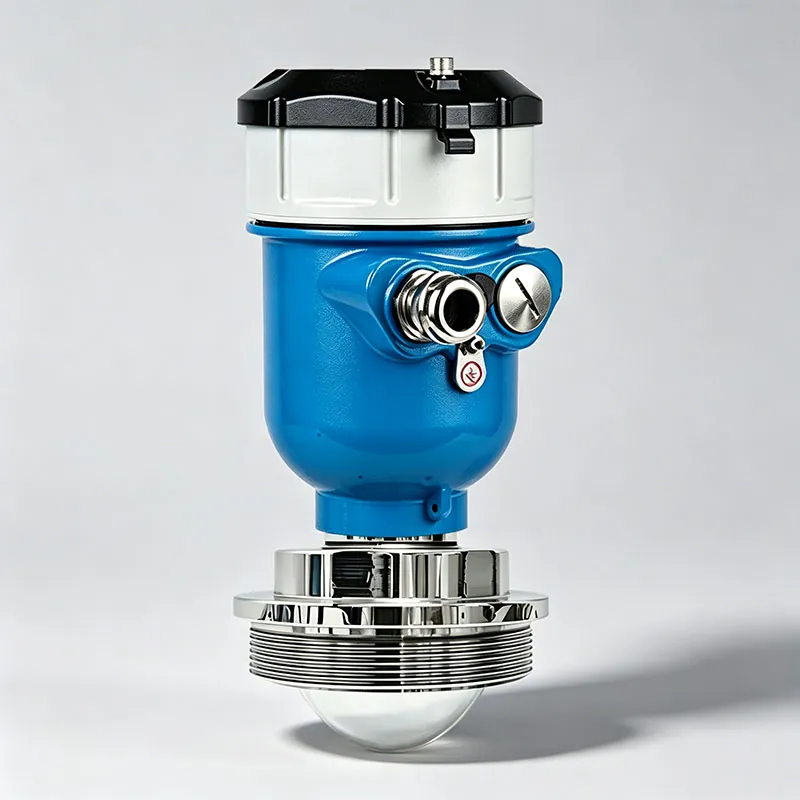
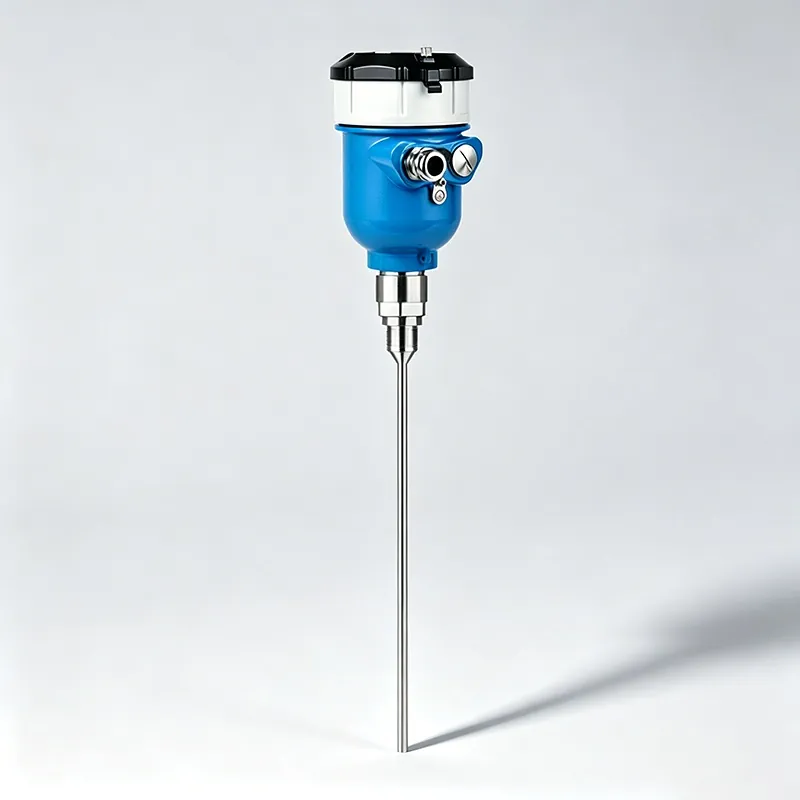
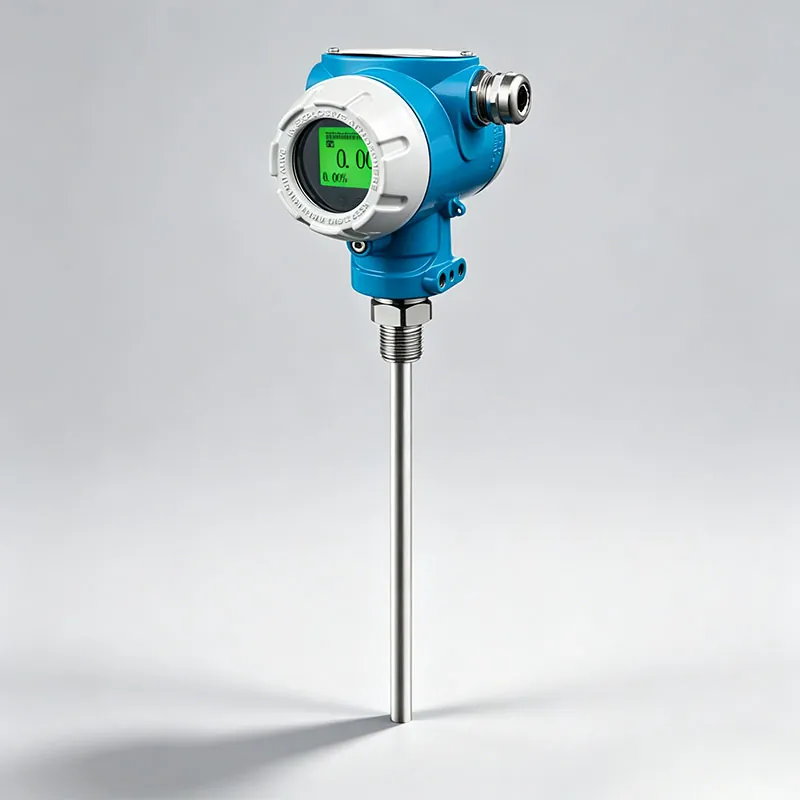
There is no universal sensor for every glue or resin tank. Non-contact radar can avoid probe coating when vessel geometry and dielectric response are suitable; guided wave radar or capacitance may be considered when a probe can be installed and coating behavior is understood. Final selection requires the actual medium and process envelope.
APPLICATION BOUNDARIES
SELECTION FACTORS
Use this list to prepare a traceable quotation request.
TECHNOLOGY COMPARISON
| Technology | Best-fit starting point | Primary limitation |
|---|---|---|
| Non-contact radar | Avoiding direct contact with adhesive media | Echo quality depends on dielectric response and geometry |
| Guided wave radar | A defined measurement path in a suitable tank | Probe coating and mechanical interaction require review |
| Capacitance | Stable dielectric behavior and controlled probe installation | Coating and recipe changes can affect calibration |
EXAMPLE APPLICATION
A batch resin tank with changing recipes should be reviewed using samples or dielectric information, agitator geometry and the cleaning cycle before choosing a probe or non-contact arrangement.
RELEVANT INSTRUMENTS
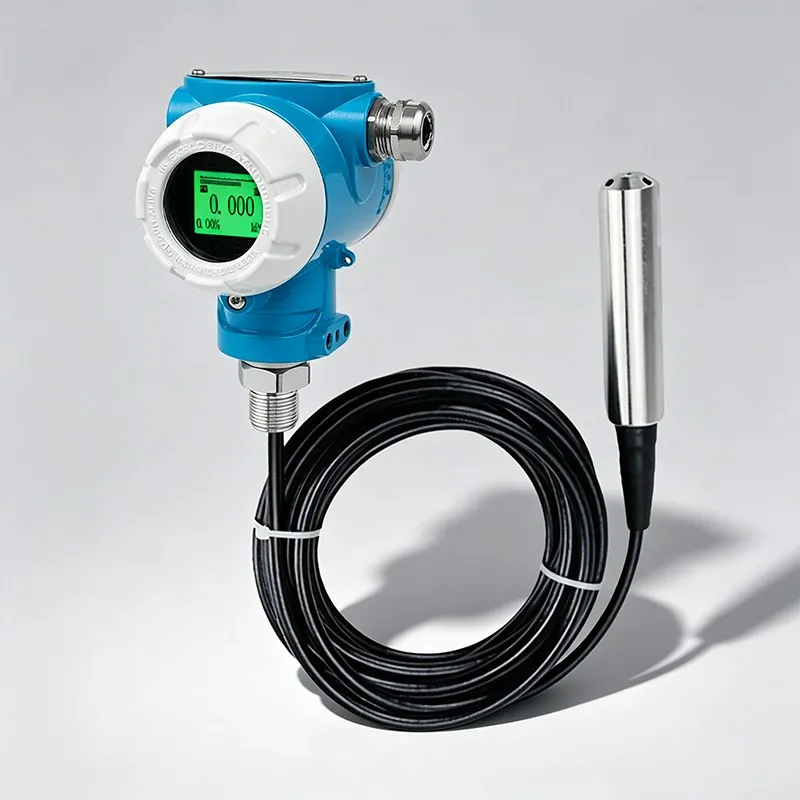
These products are available for selection and inquiry. Unverified model-specific Technical Facts remain isolated until the controlled technical review is complete.
TYCK OCEAN series · Configurable industrial instrument
TYCK OCEAN series · Configurable industrial instrument
TYCK OCEAN series · Configurable industrial instrument
TYCK OCEAN series · Configurable industrial instrument
FAQ
Last reviewed:
No. Radar is a useful non-contact starting point, but dielectric behavior, vessel geometry, foam and obstructions determine whether it is suitable.
Provide the resin or glue type, range, temperature, pressure, agitation, foam, tank drawing, nozzle, cleaning method, required output and hazardous-area needs.
ENGINEERING SUPPORT
Share the medium, operating envelope, installation and required output. We will flag missing information before confirming a model.
WeChat ID +86 18019926927