When to consider this approach
- Foaming process tanks with a defined measurement objective
- Applications where foam behavior can be described across the operating cycle
- Vessels where mounting, agitation and filling conditions are known
DIRECT ANSWER
First define whether the required value is the liquid level below the foam, the top of the foam, or a protective point alarm. Radar behavior depends on foam density and thickness; contact and pressure-based methods have different dependencies. No technology should be selected from the word “foam” alone.
APPLICATION BOUNDARIES
SELECTION FACTORS
Use this list to prepare a traceable quotation request.
TECHNOLOGY COMPARISON
| Starting point | Potential advantage | Application boundary |
|---|---|---|
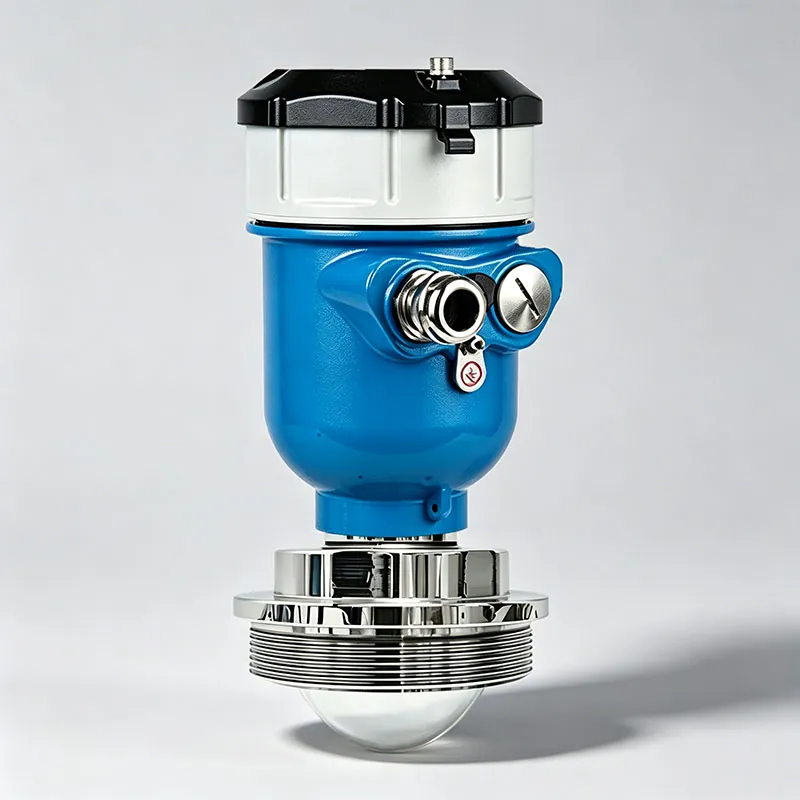
| Non-contact radar | No probe in the liquid and a top-down signal path | Foam can attenuate or redirect the echo; dense foam may become the measured surface |
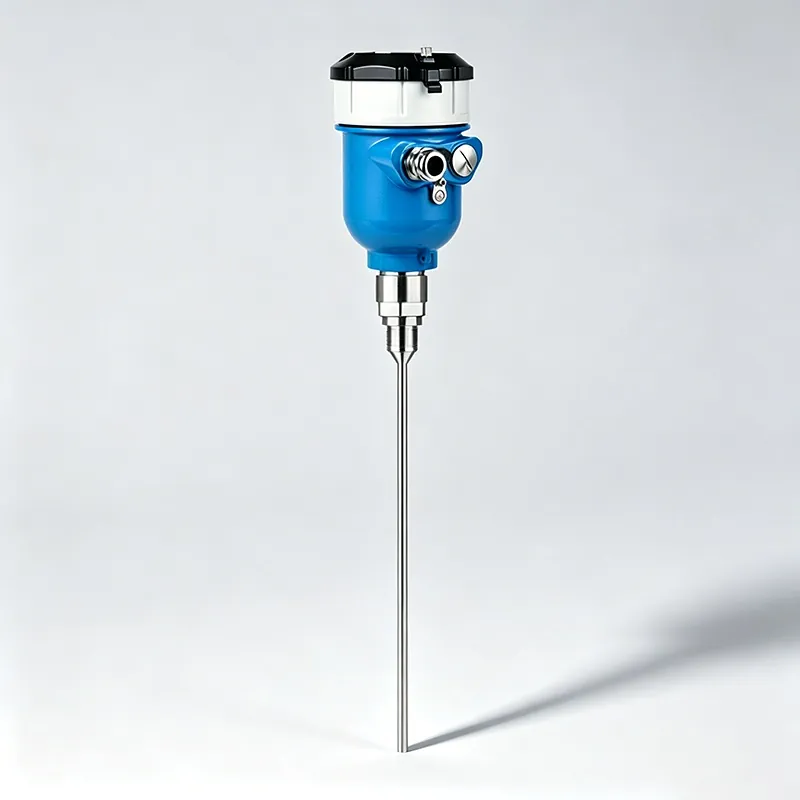
| Guided wave radar | Defined signal path along a probe | Probe coating, agitation and mechanical loading require review |
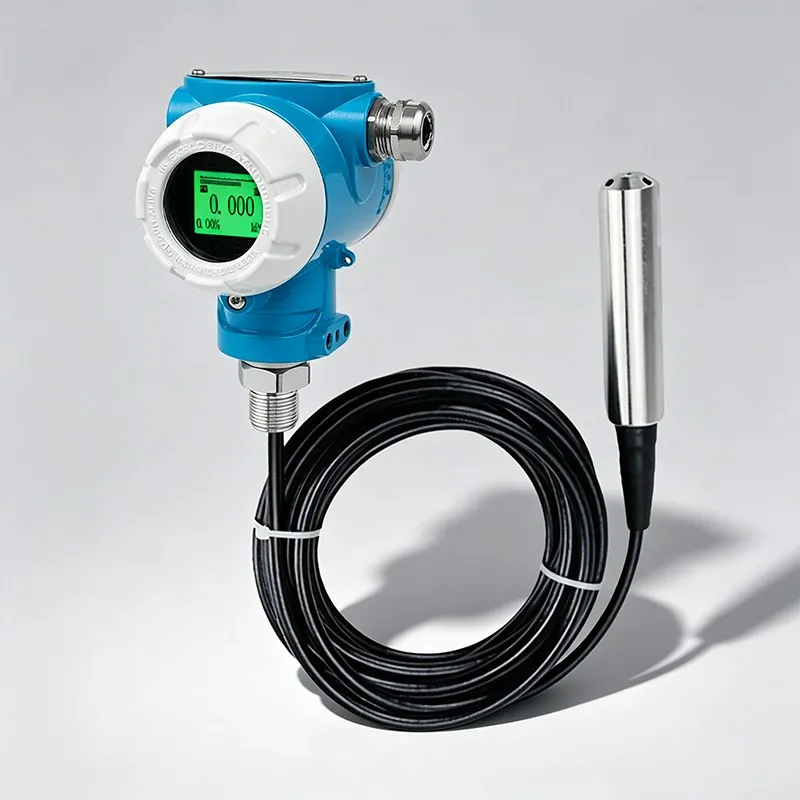
| Hydrostatic or DP | Responds to liquid head rather than an optical surface | Density and vapor-space pressure must be known or compensated |
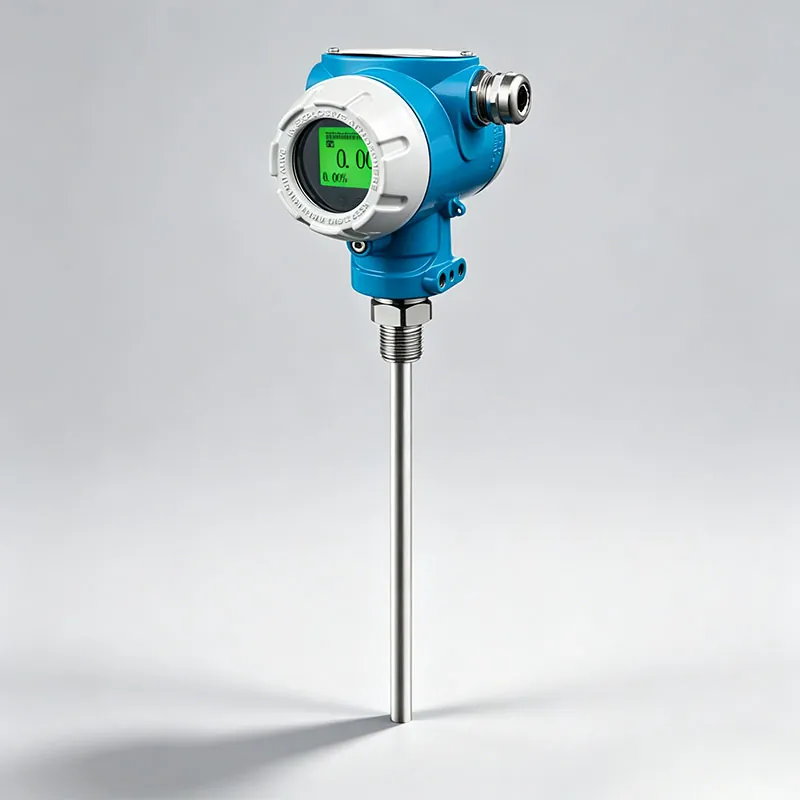
| Capacitance | Can respond to a defined medium around a probe | Foam, coating and dielectric changes can shift the response |
EXAMPLE APPLICATION
For a foaming batch tank, document the liquid and foam heights during filling, mixing and settling, then state which of those surfaces the control system must use.
RELEVANT INSTRUMENTS
These products are available for selection and inquiry. Unverified model-specific Technical Facts remain isolated until the controlled technical review is complete.
TYCK OCEAN series · Configurable industrial instrument
TYCK OCEAN series · Configurable industrial instrument
TYCK OCEAN series · Configurable industrial instrument
TYCK OCEAN series · Configurable industrial instrument
FAQ
Last reviewed:
It may in some applications, but foam properties govern signal attenuation and reflection. A blanket through-foam claim is not responsible without application data and model evidence.
Describe the liquid, foam character, desired measured surface, range, process cycle, temperature, pressure, agitation, mounting and required output.
ENGINEERING SUPPORT
Share the medium, operating envelope, installation and required output. We will flag missing information before confirming a model.
WeChat ID +86 18019926927