When to consider this approach
- Chemical service with a documented composition and concentration
- Applications requiring a compatible direct connection or diaphragm isolation
- Pressure, level or filter measurements with a defined pressure reference
DIRECT ANSWER
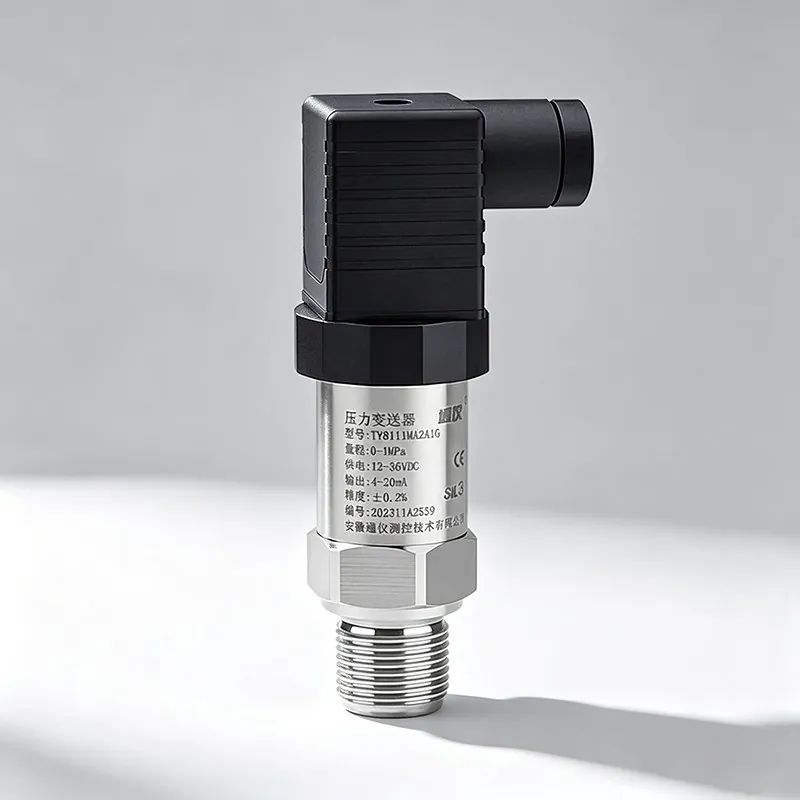
Start by defining gauge, absolute or differential pressure and the full pressure-temperature envelope. A compatible direct process connection may be simplest; a diaphragm seal can isolate the transmitter from corrosive, viscous or plugging media, but the seal material, fill fluid, diaphragm size and mounting arrangement introduce their own limits.
APPLICATION BOUNDARIES
SELECTION FACTORS
Use this list to prepare a traceable quotation request.
TECHNOLOGY COMPARISON
| Arrangement | Why considered | Application boundary |
|---|---|---|
| Direct-mounted transmitter | Short pressure path and simple installation | Sensor diaphragm and every wetted part must be compatible |
| Remote diaphragm seal | Separates the sensing assembly from corrosive or plugging process media | Fill-fluid and capillary temperature effects, response and seal construction require calculation |
| Impulse-line DP arrangement | Supports differential or remote mounting tasks | Lines can plug, leak, freeze or react with the process; routing and maintenance matter |
EXAMPLE APPLICATION
For a mixed-acid service, provide each constituent and concentration at normal, cleaning and upset temperatures; “acid” alone is not enough to approve a diaphragm or gasket material.
RELEVANT INSTRUMENTS
These products are available for selection and inquiry. Unverified model-specific Technical Facts remain isolated until the controlled technical review is complete.
TYCK PRIME series · Configurable industrial instrument
TYCK PRIME series · Configurable industrial instrument
TYCK PRIME series · Configurable industrial instrument
TYCK PRIME series · Configurable industrial instrument
FAQ
Last reviewed:
It isolates the transmitter sensing assembly from the process, but the seal diaphragm, gasket, connection and any flushing parts remain exposed and must be compatible.
Seal fill fluid expands and contracts with temperature, which can shift pressure at the transmitter and affect response. The selected filled system must be evaluated as one assembly.
ENGINEERING SUPPORT
Share the medium, operating envelope, installation and required output. We will flag missing information before confirming a model.
WeChat ID +86 18019926927