When to consider this approach
- Conductive mineral, wastewater or process slurries with characterized solids
- Full-pipe applications with defined minimum and maximum velocity
- Projects that can review liner, electrode, grounding and wear conditions
DIRECT ANSWER
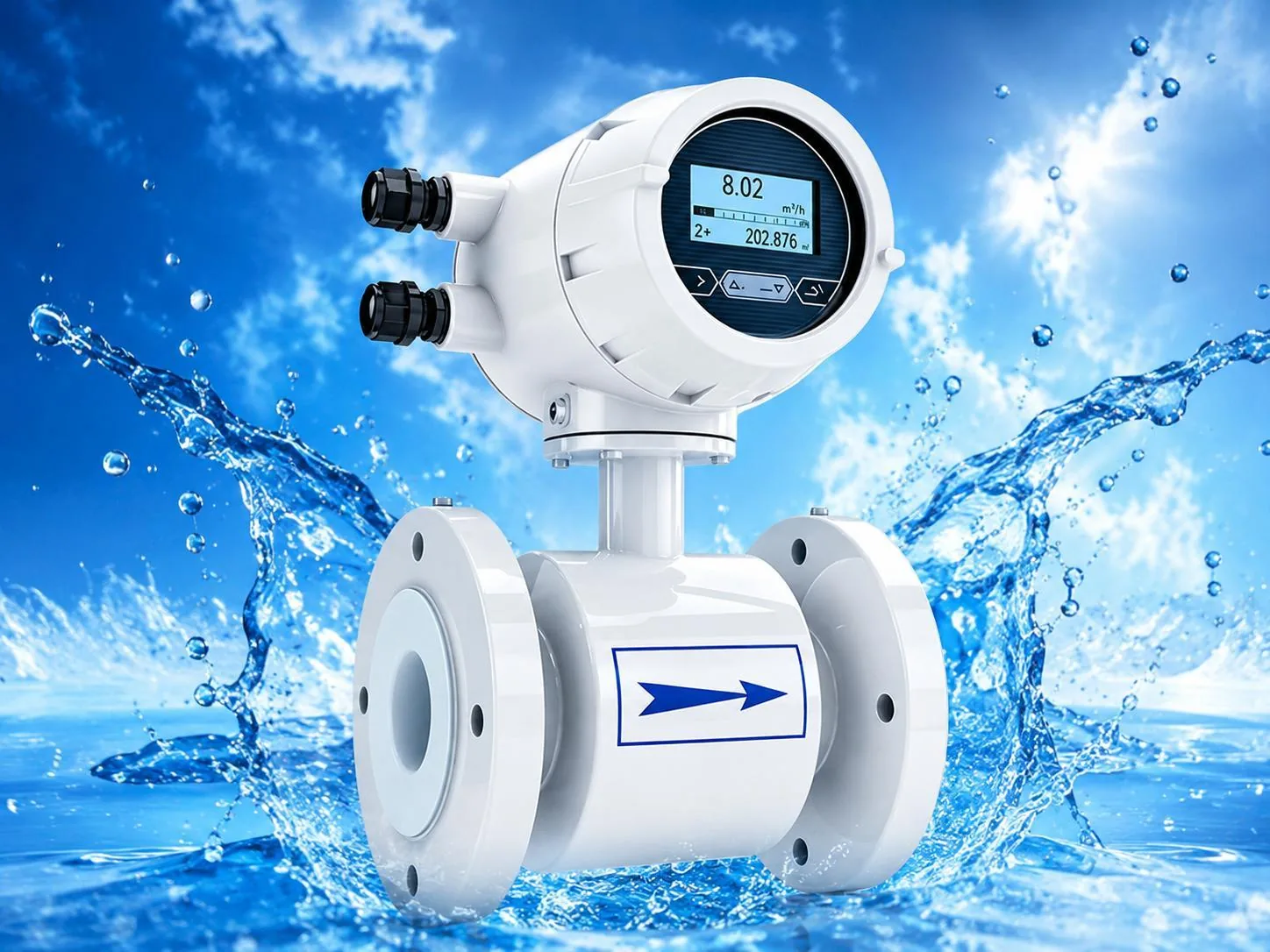
Electromagnetic flow is a strong starting point for conductive slurries because it can provide an unobstructed bore, while Coriolis may be considered when direct mass flow or density information is important and the pipe size and process are suitable. Liner, electrodes, velocity, gas content and installation determine the practical result.
APPLICATION BOUNDARIES
SELECTION FACTORS
Use this list to prepare a traceable quotation request.
TECHNOLOGY COMPARISON
| Starting point | Potential advantage | Application boundary |
|---|---|---|
| Electromagnetic flowmeter | Full-bore volume flow for conductive liquids and many solids-bearing streams | Conductivity, entrained gas, liner wear, electrode coating and grounding require review |
| Coriolis flowmeter | Direct mass flow and density from one measuring principle | Tube geometry, pressure loss, vibration, erosion and size economics can limit suitability |
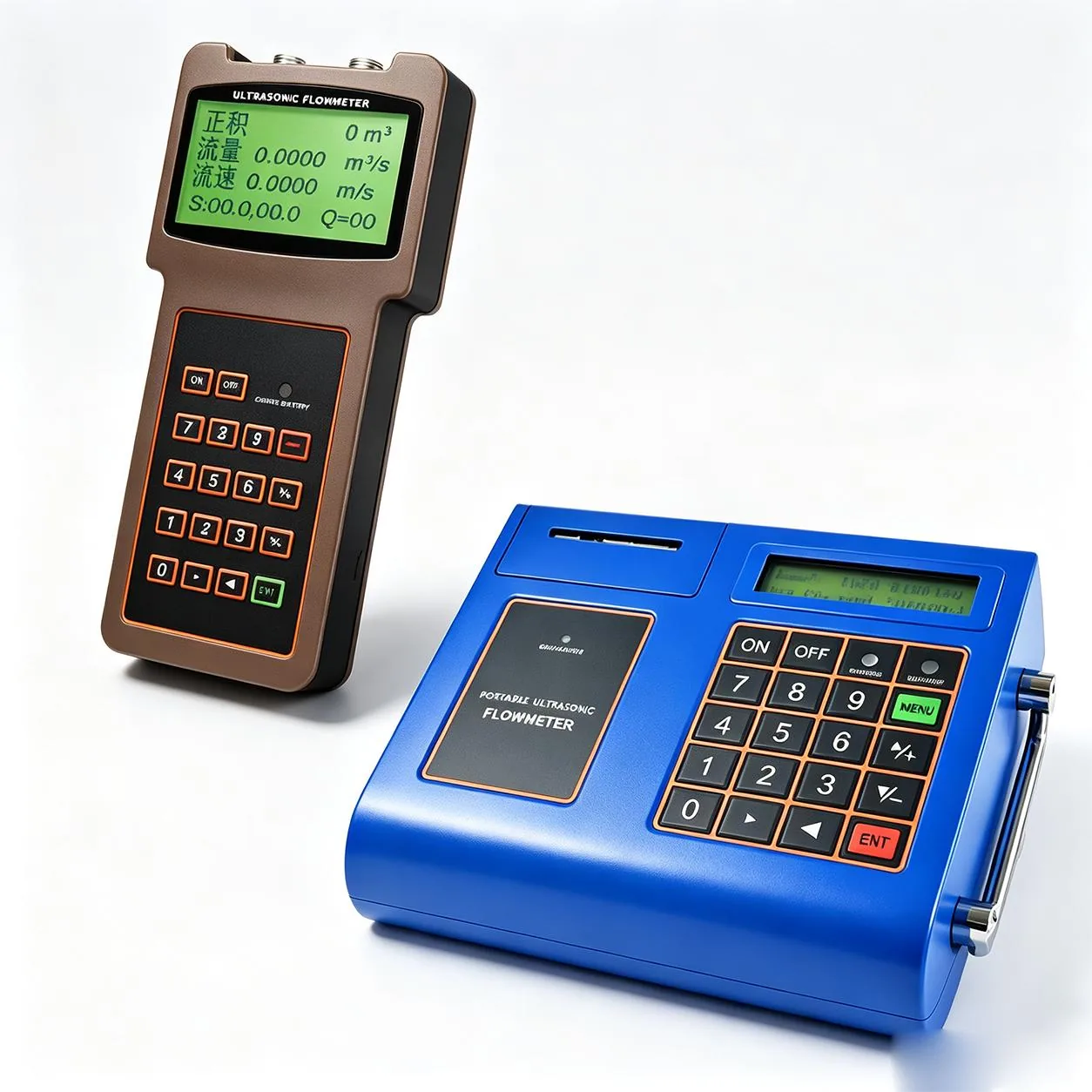
| Ultrasonic flowmeter | Inline or clamp-on options exist for selected services | Bubbles, solids distribution, pipe condition and acoustic path can reduce measurement margin |
EXAMPLE APPLICATION
For a mineral slurry line, provide a sample or composition record plus the solids range, largest expected particle, carrier liquid, gas entrainment, flow profile and pipe orientation before choosing the meter lining and installation.
RELEVANT INSTRUMENTS
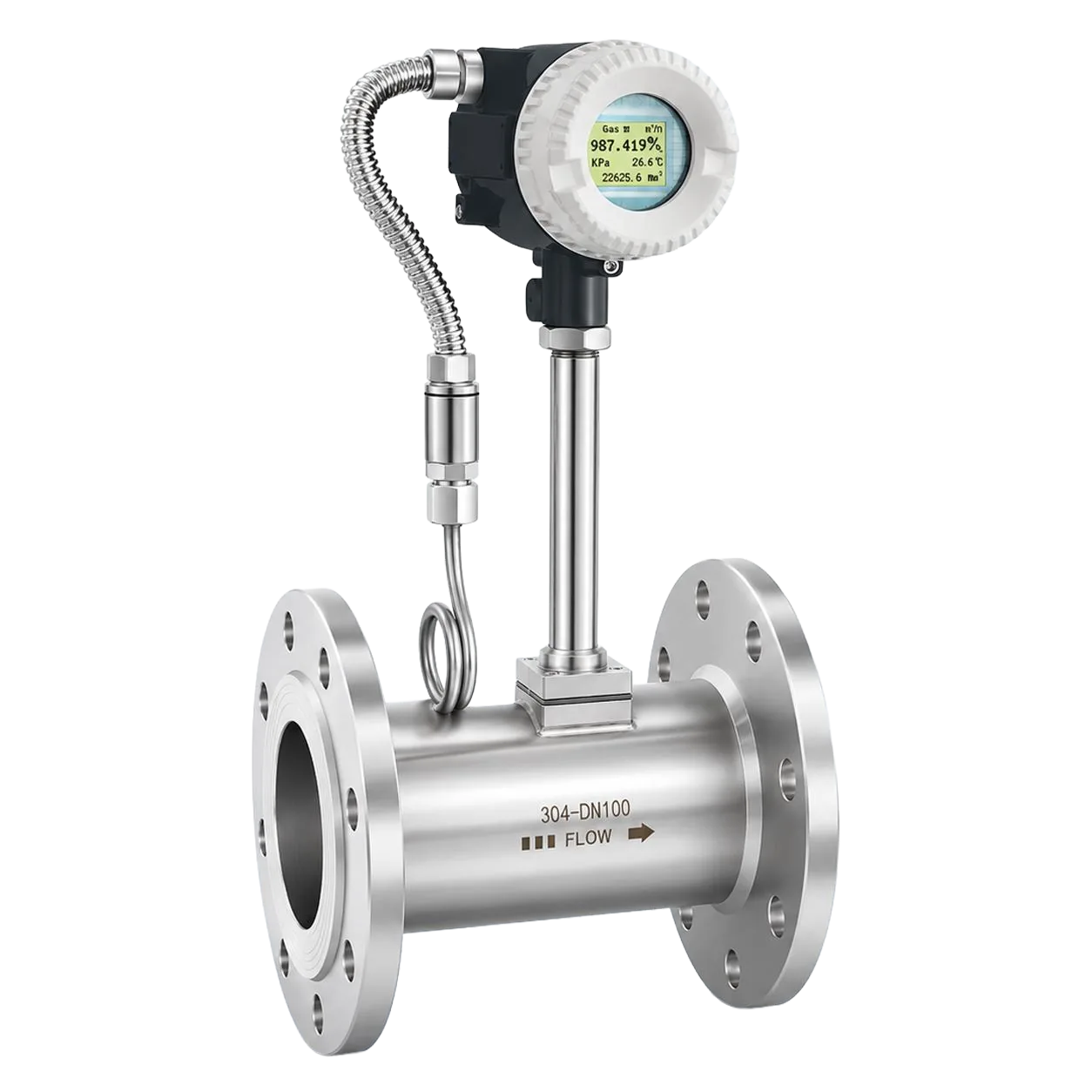
These products are available for selection and inquiry. Unverified model-specific Technical Facts remain isolated until the controlled technical review is complete.
TYCK FLOW series · Configurable industrial instrument
TYCK FLOW series · Configurable industrial instrument
TYCK FLOW series · Configurable industrial instrument
FAQ
Last reviewed:
No. The carrier must meet the selected meter’s conductivity requirement, and abrasion, coating, entrained gas, velocity, liner and electrodes must be evaluated.
Low velocity can allow solids to settle and change the phase distribution, while excessive velocity can increase wear. The acceptable range is application and model specific.
ENGINEERING SUPPORT
Share the medium, operating envelope, installation and required output. We will flag missing information before confirming a model.
WeChat ID +86 18019926927