When to consider this approach
- Conductive liquid in a full pipe
- Treatment, transfer or effluent duties with known solids and chemical exposure
- Applications with accessible grounding, installation and maintenance conditions
DIRECT ANSWER
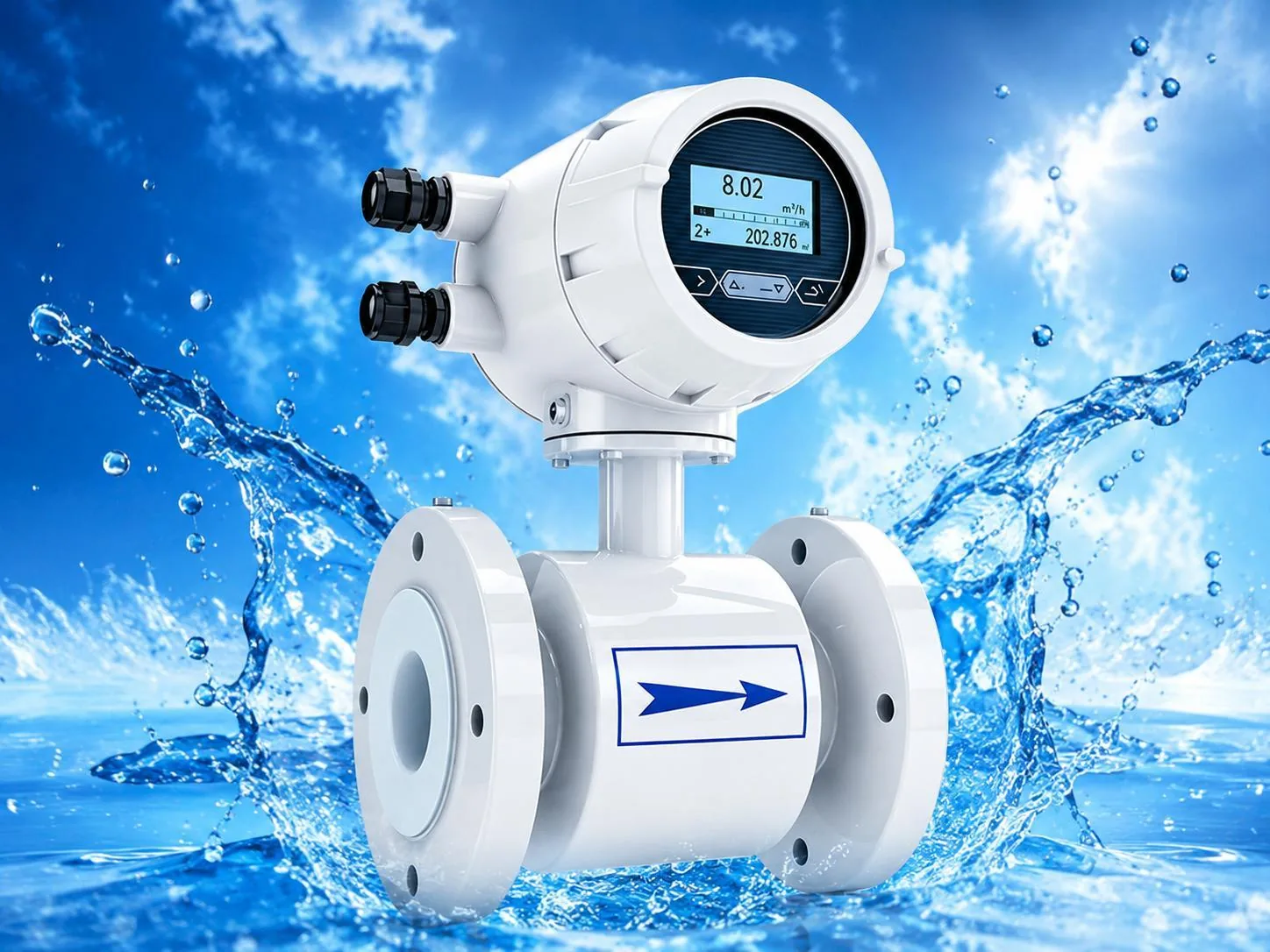
An electromagnetic flowmeter is a common starting point for conductive wastewater in a full pipe and has an unobstructed measuring tube, but liner, electrodes, grounding, pipe-full condition and installation still require review. Partially filled pipes and channels need a technology and hydraulic arrangement designed for that measurement task.
APPLICATION BOUNDARIES
SELECTION FACTORS
Use this list to prepare a traceable quotation request.
TECHNOLOGY COMPARISON
| Starting point | Potential advantage | Application boundary |
|---|---|---|
| Electromagnetic flowmeter | Unobstructed bore for conductive liquids including many solids-bearing streams | Requires a compatible liner and electrodes, sufficient conductivity and a full measuring tube |
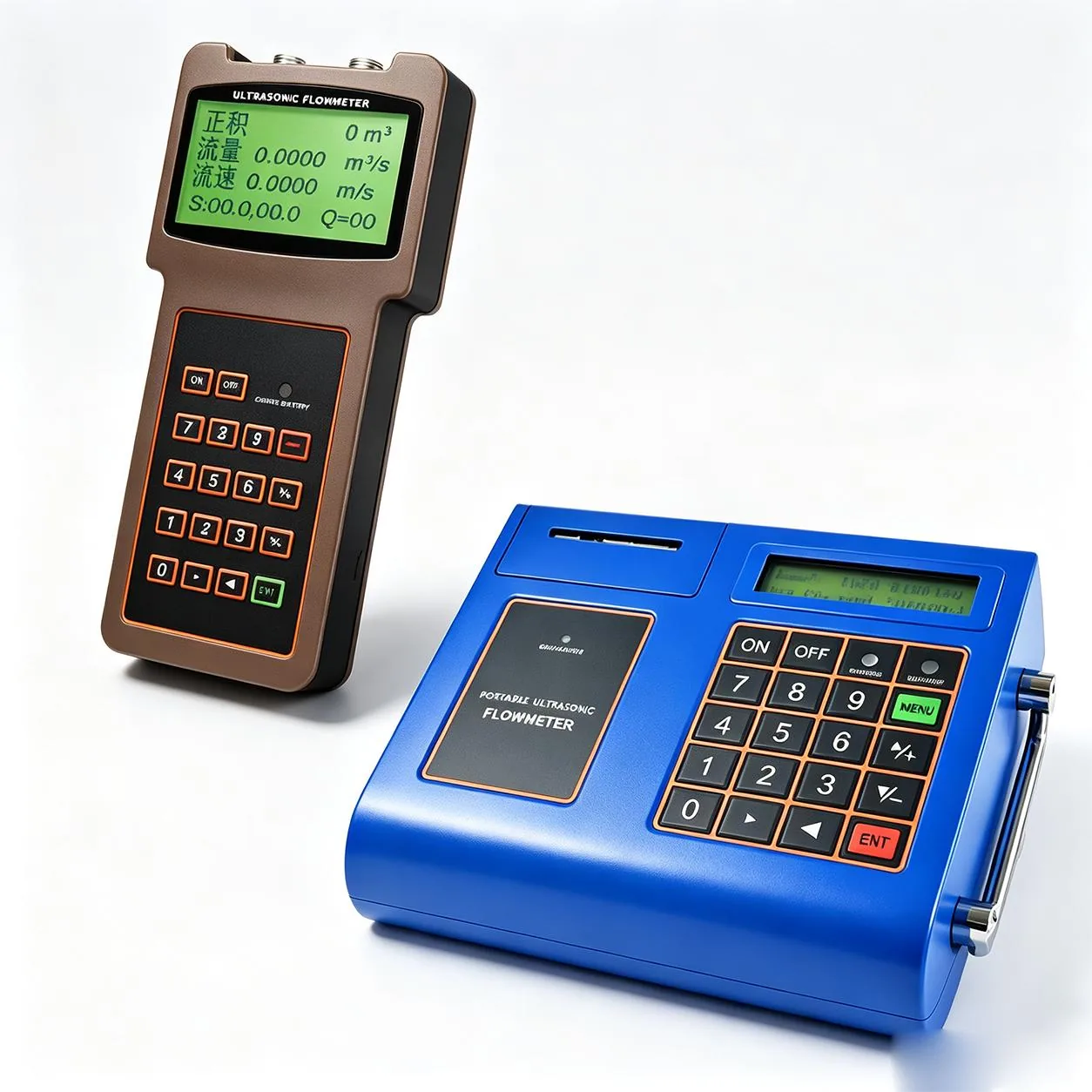
| Clamp-on ultrasonic | Retrofit without opening the pipe in suitable service | Pipe material, wall condition, acoustic path, bubbles and solids affect viability |
| Open-channel or area-velocity system | Designed for free-surface flow | Hydraulic site conditions, level reference and channel geometry are part of the measurement |
EXAMPLE APPLICATION
At a lift station, identify whether the discharge stays full at every pump state. If not, change the meter location or measurement arrangement before comparing model specifications.
RELEVANT INSTRUMENTS
These products are available for selection and inquiry. Unverified model-specific Technical Facts remain isolated until the controlled technical review is complete.
TYCK FLOW series · Configurable industrial instrument
TYCK FLOW series · Configurable industrial instrument
TYCK FLOW series · Configurable industrial instrument
FAQ
Last reviewed:
Often yes for conductive liquids, but solids type, abrasion, coating, entrained gas, liner, electrodes and velocity must still be reviewed for the selected model.
A full-bore magmeter can read incorrectly or stop measuring when the tube is not full. Review a location that remains full, a siphon arrangement where appropriate, or a technology intended for partially filled or open-channel service.
ENGINEERING SUPPORT
Share the medium, operating envelope, installation and required output. We will flag missing information before confirming a model.
WeChat ID +86 18019926927